
Windows do more than bring natural light into a building. They also influence thermal performance, energy efficiency and indoor comfort. As building projects place greater emphasis on performance and design, Vacuum Insulated Glass (VIG) is an option worth considering.
Vacuum Insulated Glass is a high-performance glazing technology that uses two panes of glass separated by a sealed vacuum cavity. Unlike conventional double glazing, which typically uses an air- or gas-filled cavity, VIG uses a vacuum to significantly reduce heat transfer between the panes.
This allows VIG to deliver high thermal insulation within a relatively slim profile, making it useful for projects where glazing performance and available space both matter.
How Does Vacuum Insulated Glass Work?
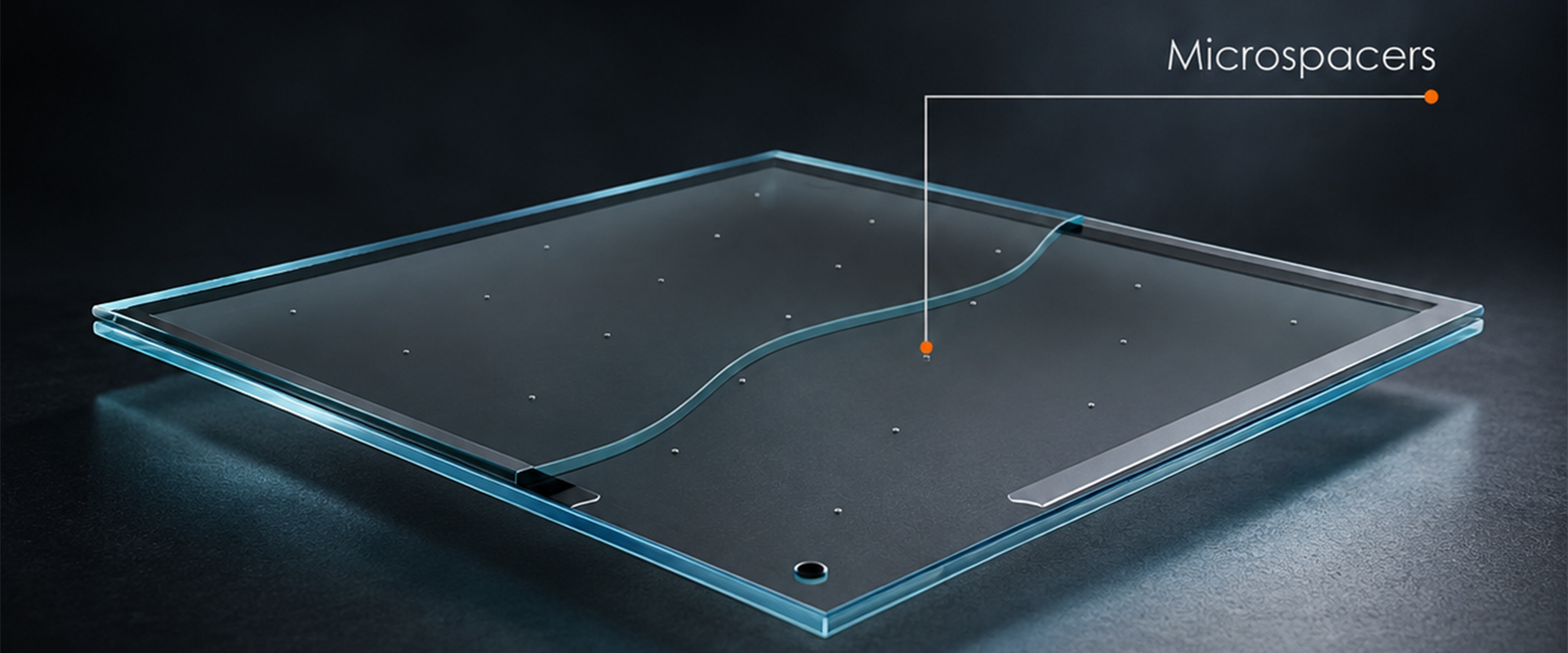
Heat can transfer through conventional glazing through conduction and convection. By creating a vacuum between the glass panes, VIG minimises heat transfer through the cavity.
Tiny components called microspacers are positioned between the panes to maintain their separation while helping the glass withstand atmospheric pressure. These supports allow the vacuum cavity to function within a compact glazing unit.
The result is a glazing solution designed to provide strong thermal insulation without requiring the deep cavity typically associated with conventional multi-glazing systems.
Where Is Vacuum Insulated Glass Used?
VIG can be considered for a range of building applications where thermal performance, glazing thickness or existing architectural constraints are important.
1. Heritage Buildings and Retrofits
Upgrading windows in heritage buildings can be challenging. Existing frames may have limited space for thicker glazing, while preserving the original architectural appearance is often essential.
VIG's slim profile can make it suitable for selected heritage and retrofit projects where improved thermal insulation is desired without significantly changing the window profile. Suitability depends on the existing frames and conservation requirements.

2. Commercial Buildings
Offices and commercial developments often need to balance energy performance, occupant comfort and architectural design.
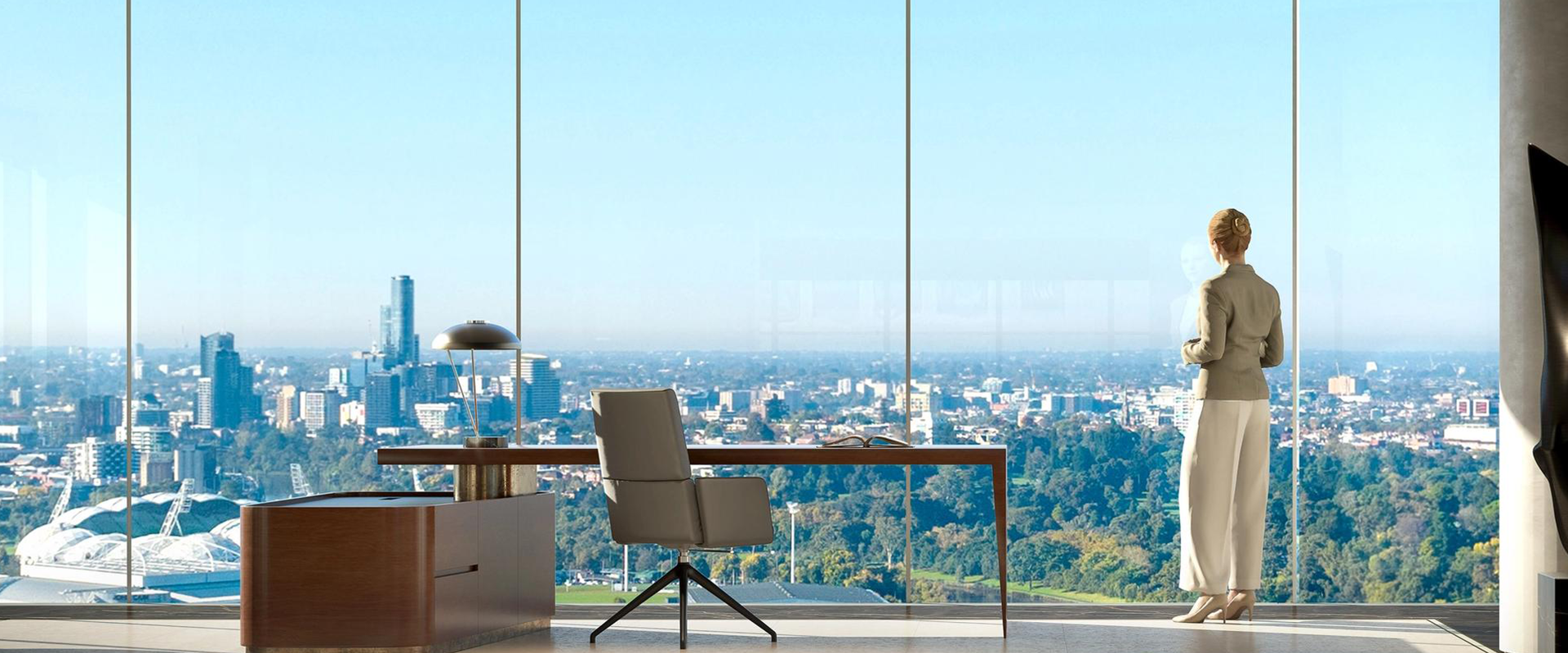
VIG can be considered for commercial glazing where reducing heat transfer and maintaining a slim profile are priorities. The appropriate solution depends on the building's performance targets, façade design and window system.
3. Residential Projects
In homes, windows influence indoor comfort and heat transfer between the interior and exterior.
VIG may suit residential applications where thermal insulation is important, particularly when conventional multi-glazing presents challenges with available space or frame compatibility.
4. Buildings with Acoustic Requirements
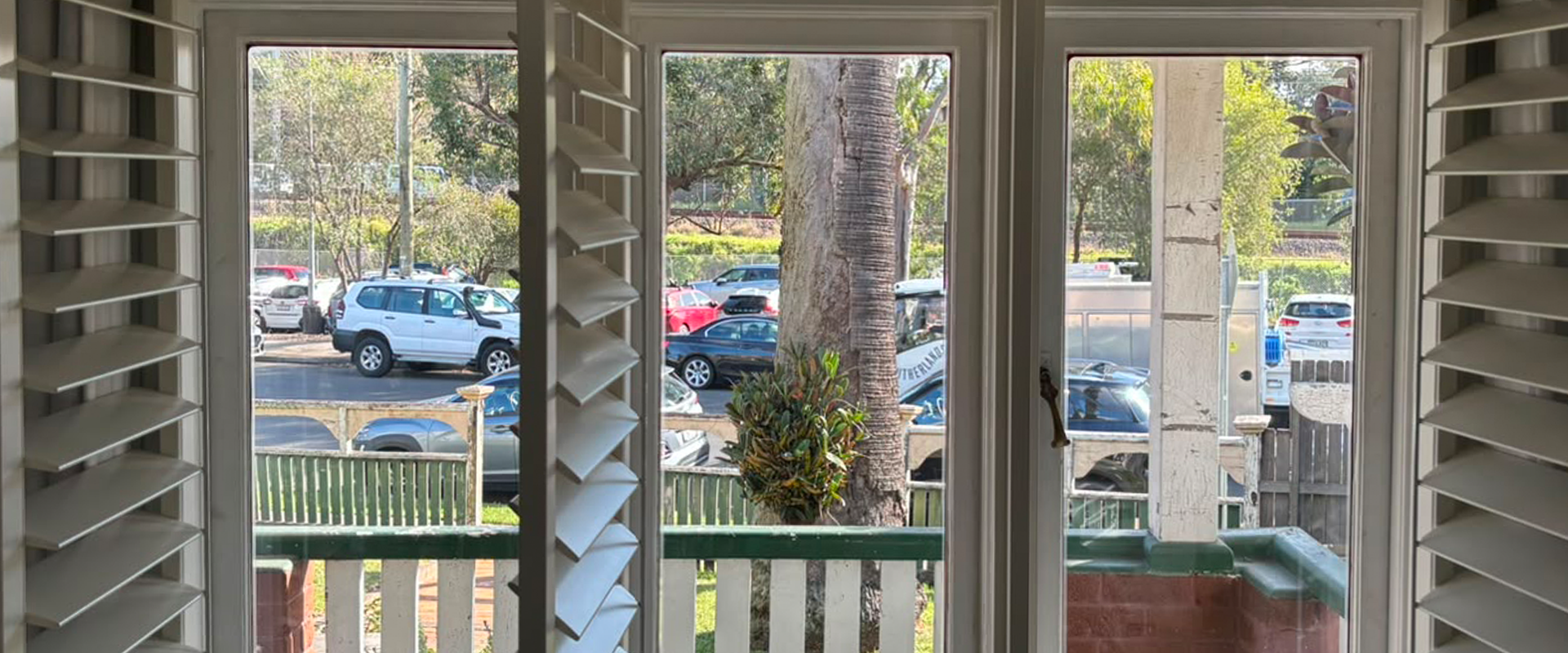
External noise can affect comfort in properties near busy roads and urban centres. Certain VIG configurations, including combinations with laminated glass, can be designed to address specific acoustic requirements.
Performance varies by configuration, so project teams should assess tested acoustic ratings rather than assume every VIG product provides the same level of noise reduction.
What Are the Main Benefits of VIG?
Key benefits and considerations include:
High thermal insulation: The vacuum cavity helps reduce heat transfer through the glazing.
Slim profile: Provides high insulation potential without the thickness of many conventional multi-glazing systems.
Design flexibility: Can suit selected heritage, retrofit, residential and commercial applications.
Acoustic options: Certain configurations can provide enhanced acoustic performance.
When comparing glazing solutions, consider the complete window system, including the glass, frame, seals and installation.
Is VIG Right for Your Project?
The right glazing depends on more than the glass alone. U-value, solar heat gain, acoustic requirements, frame compatibility, safety requirements and budget all influence the final specification. A lower U-value generally indicates better thermal insulation, but it should be assessed alongside other relevant performance measures.
At BM Sydney, we supply Vacuum Insulated Glass solutions for projects where high thermal performance and a slim glazing profile are important considerations.
Planning a new development or upgrading an existing building? Contact our team to explore VIG options for your project